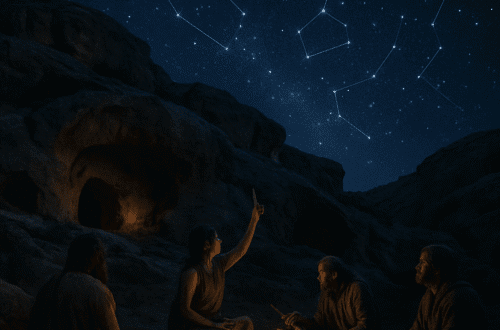
While many cultures developed their own systems of astrology and astronomy, the Hebrew tradition offers a unique blend of science, spirituality, and mysticism. Hebrew astronomy is deeply tied to the Jewish calendar, biblical teachings, and Kabbalistic thought, reflecting how the ancient Hebrews saw the cosmos as a divine creation guiding human destiny.
Origins of Hebrew Astronomy
Hebrew astronomy dates back thousands of years, with references found in the Torah, Talmud, and other Jewish texts. Unlike astrology that focused on predicting personal fate, Hebrew astronomy primarily studied the celestial order—the sun, moon, and stars—to align festivals, agricultural cycles, and spiritual rituals. For example, the Jewish calendar is lunisolar, relying on careful observation of moon phases and solar positions.
The Role of the Zodiac
The Hebrew system also recognized the 12 constellations of the Zodiac, known as the Mazzaroth. Each zodiac sign was associated with one of the 12 tribes of Israel, symbolizing a cosmic link between heaven and the Jewish people. For instance, Aries aligned with Judah, while Cancer connected with Issachar. These correspondences reflect how spiritual identity was woven into celestial movements.
Hebrew Astronomy vs. Astrology
Although astrology was often debated in Jewish tradition, many scholars acknowledged planetary influences while emphasizing that ultimate power rests with God. The stars were seen as divine instruments, not masters of human fate. This perspective shaped the Jewish approach, where astronomy served both practical needs (calendar, navigation) and spiritual symbolism (festivals, prophecy).
Kabbalah and Cosmic Mysticism
In Kabbalistic mysticism, Hebrew astronomy takes on deeper meaning. The arrangement of stars and planets symbolizes divine energies flowing through the Tree of Life. Each celestial body reflects attributes of God (Sephiroth), linking cosmic movements with spiritual lessons for humanity.
Uses and Significance Today
- Festivals: Jewish holy days like Passover, Sukkot, and Rosh Hashanah are determined by lunar cycles.
- Spiritual Study: Scholars explore how biblical texts align with celestial events.
- Mystical Practices: Kabbalists meditate on cosmic patterns to connect with divine wisdom.
- Cultural Heritage: Hebrew astronomy preserves the Jewish view of the heavens as a sacred map of creation.
Conclusion
Hebrew astronomy blends observation, tradition, and spirituality into a profound cosmic framework. By studying the skies, the ancient Hebrews not only structured time but also connected earthly life with divine purpose. Today, it remains a fascinating field for those exploring the intersection of faith, science, and the cosmos.